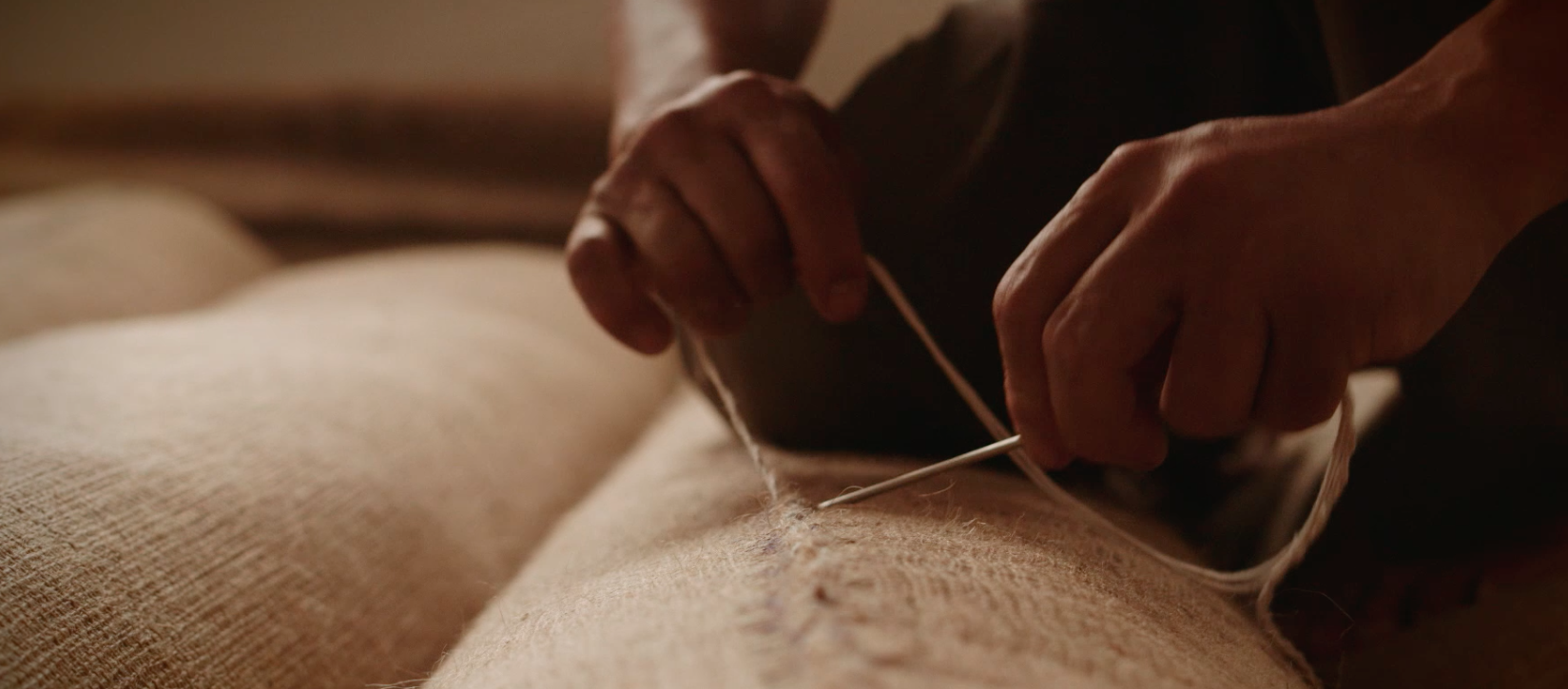
Inside the atelier. The making of a masterpiece. Watch · 4:12
EST. KATHMANDU · 1982

Hand-Knotted Carpets from the Himalayas

Tibetan Craftsmanship, Refined Through Generations.

From a single loom in Solukhumbu in the 1960's to a vertically-integrated atelier serving some of the world's leading luxury brands and interior designers.

Founded
1982
Master weavers
350+
SQ. FT. EXPORTED
10 Million+
BRANDS SERVED
68
As featured in
02 · Our heritage

Seventy years on the loom.

A three-generation family atelier creating hand-knotted carpets for discerning interiors around the world — rooted in Tibetan craftsmanship, refined through decades of artistry.
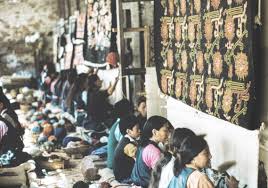
Tibetan artisans weaving carpets

Palbu Carpet Atelier began as a small family workshop founded by Tibetan artisans who carried their weaving traditions across the Himalayas into Nepal over 66 years ago.

In the decades that followed, Tibetan carpet weaving quietly became one of the most important artisan movements within the Tibetan refugee community in Nepal - preserving not only a livelihood, but a cultural language expressed through texture, symbolism, and handcraft.

Today, the third generation continues this legacy with the same philosophy that shaped the beginning: thoughtful craftsmanship, honest materials, and carpets made to endure for generations.

Every rug we create carries the touch of human hands - from wool selection to the final finishing - blending traditional Tibetan techniques with a refined contemporary sensibility.
1982
Origin
Pasang Sherpa & Sonam Lama open three looms in Kathmandu, weaving Tibetan rugs for Swiss tourists.
1985
Export
First shipment leaves for a German gallery; the atelier begins serving European collectors.
1990
Integration
Dyehouse and spinnery brought in-house. Every step from fleece to finish on a single campus.
Today
Fourth generation
350 master weavers, 80+ looms, and 10+ Million sq. ft. exported.
A short film

Inside the atelier

Three generations preserving the art of Tibetan carpet making in Kathmandu since 1982.

4:12 · Directed by Sonam Sherpa
04 · The making

9 steps between fleece to floor.

From the first carded fleece to the last knot tied, a single nine-by-twelve is made meticulously over 3-6 months.

  1. STEP / 01

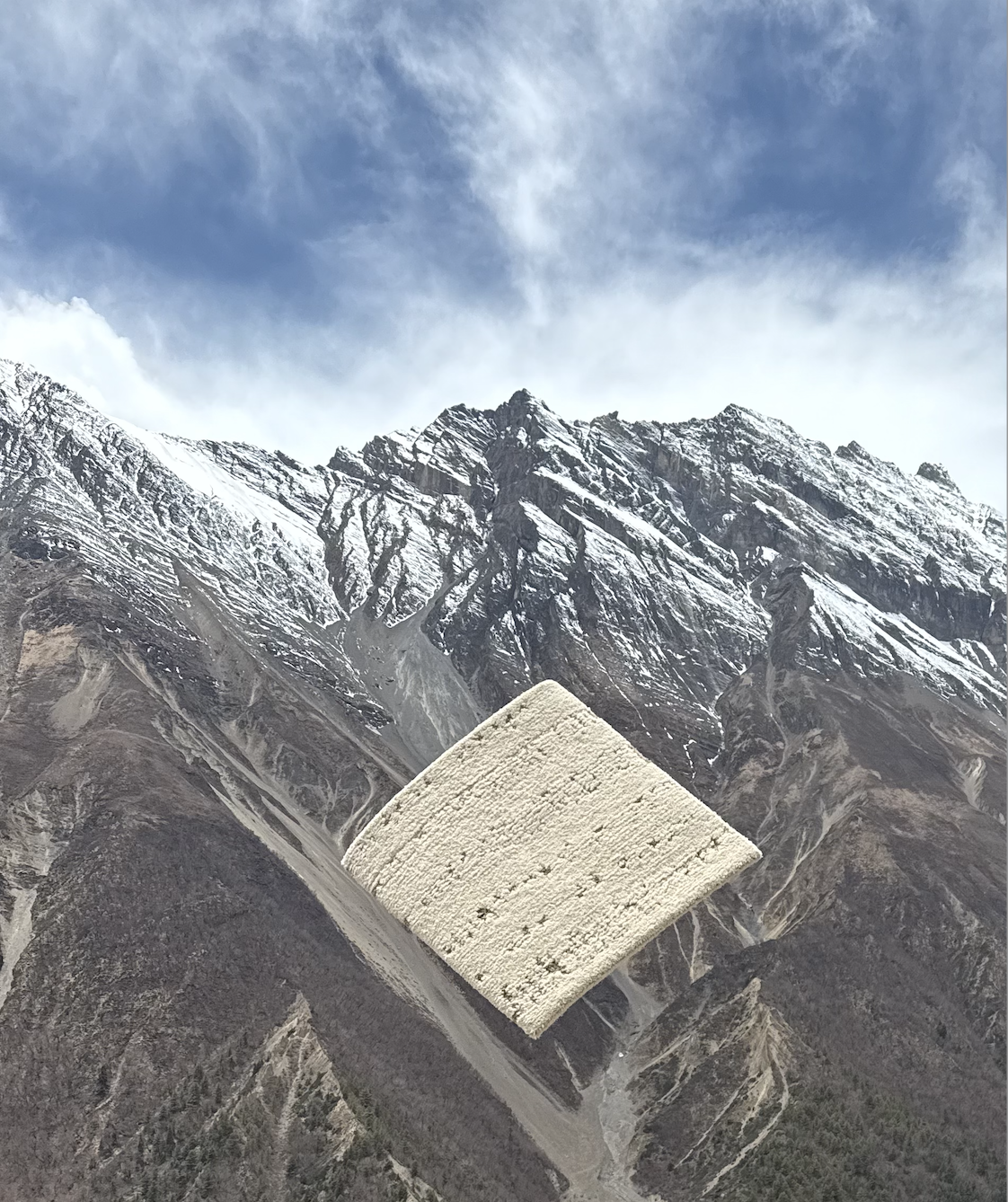
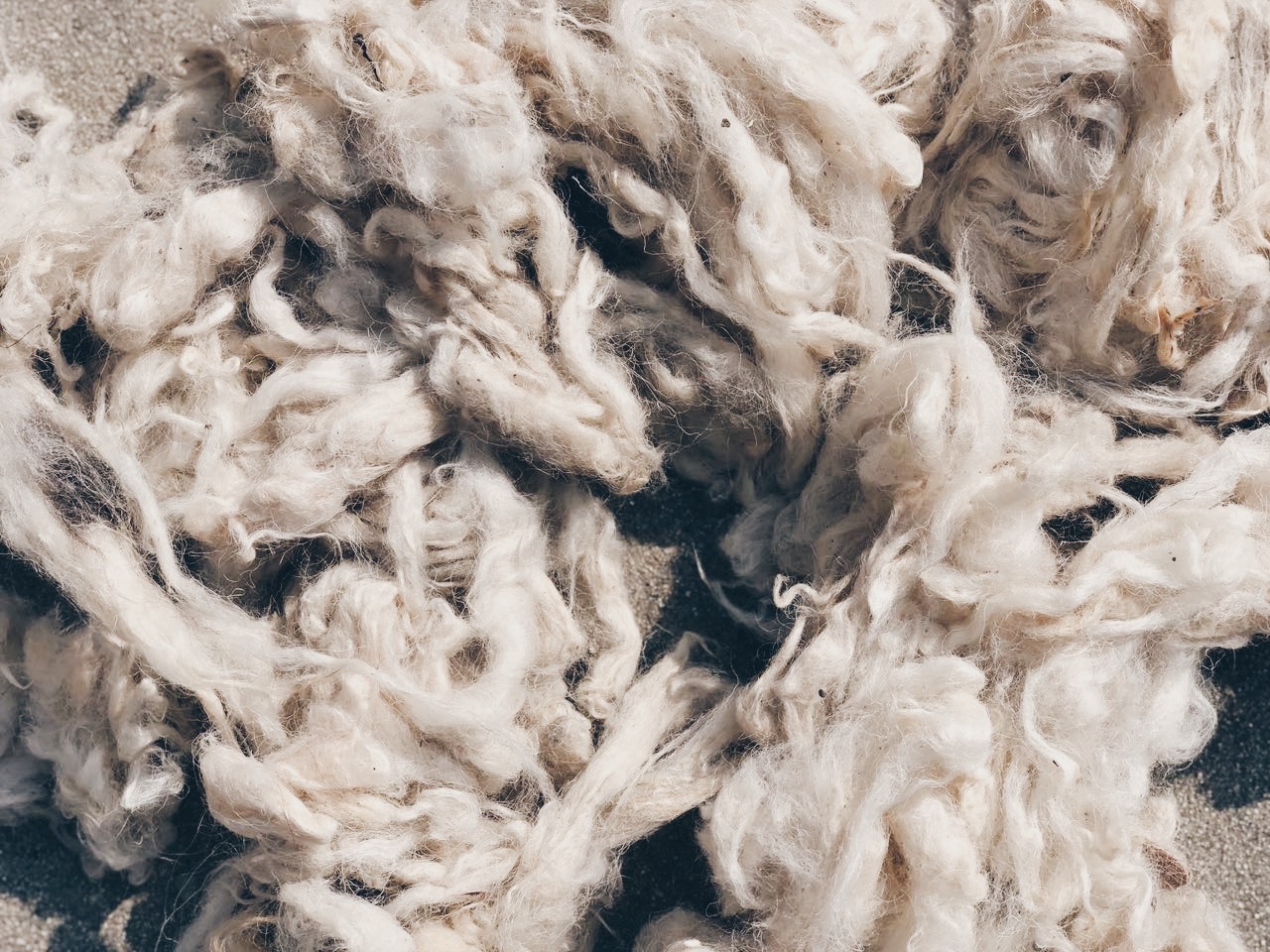
    Raw wool sourcing

    We source high-altitude Tibetan wool known for its dense, lanolin-rich fibers — naturally soft, durable, and resilient enough to last for generations.

    Raw wool sourcing
  2. STEP / 02

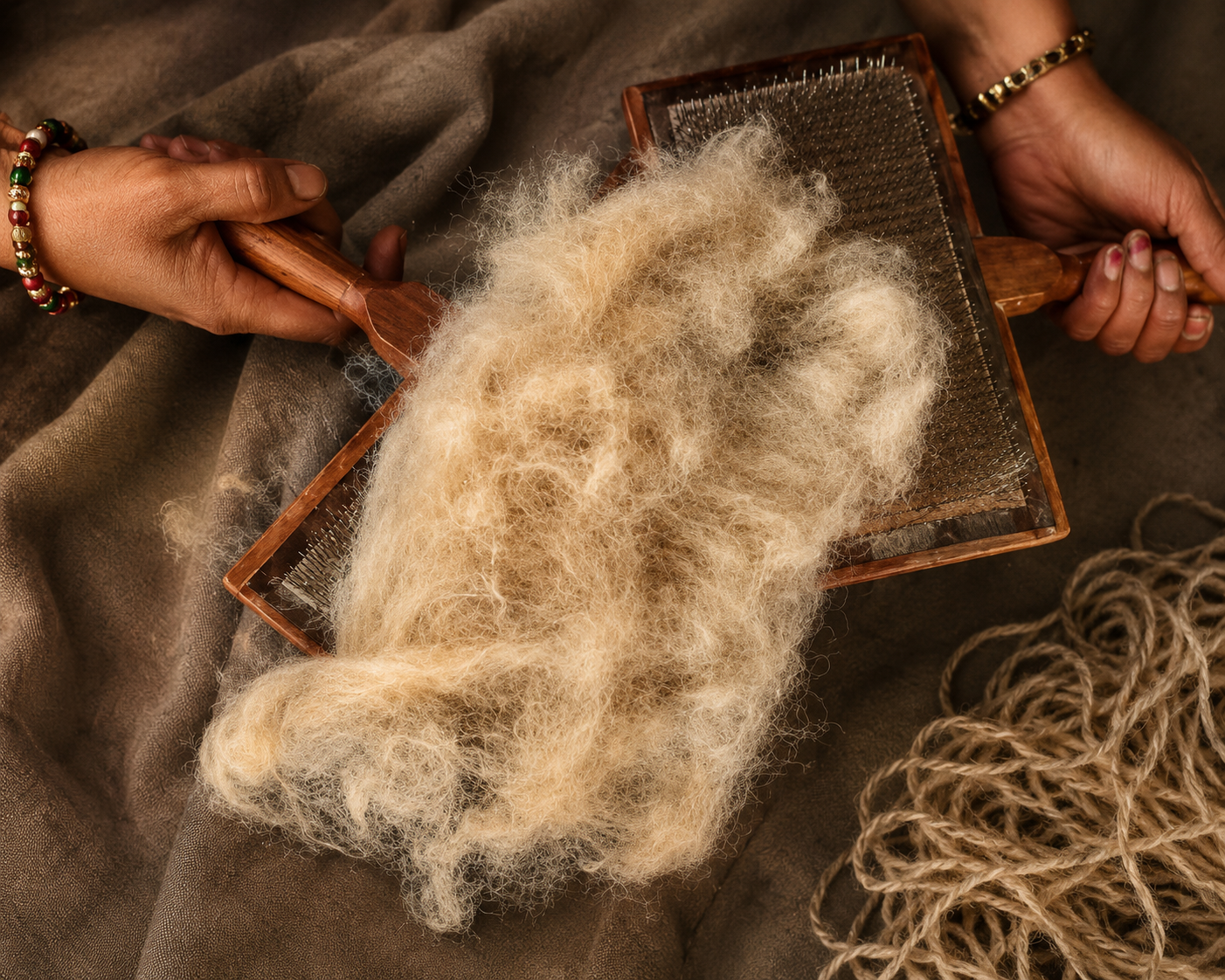
    Cleaning, sorting & carding

    The wool is cleaned, hand-sorted, and carded repeatedly to remove impurities and align the fibers into a soft, uniform texture.

    Cleaning, sorting and carding
  3. STEP / 03

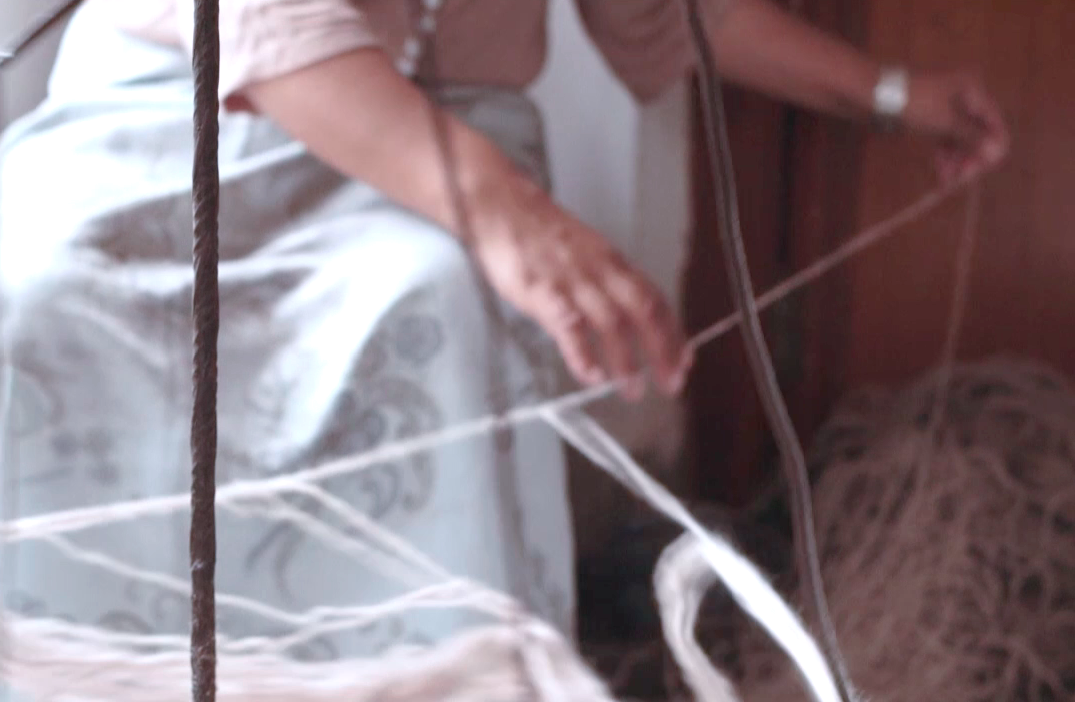
    Hand spinning

    Fibers are hand-spun into yarn using traditional methods, creating subtle natural variations that give each carpet depth and character.

    Hand spinning
  4. STEP / 04

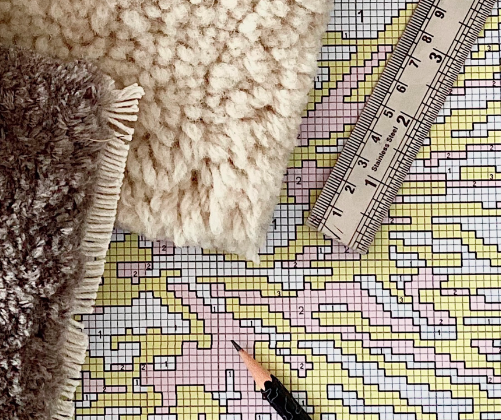
    Color selection & graphing

    Designs are translated into a detailed naksha graph, where every square represents a single knot used as the weavers' blueprint.

    Color selection and graphing
  5. STEP / 05

    Yarn dyeing

    Yarns are dyed in custom color batches using natural and premium Swiss dyes to achieve rich, lasting tones with exceptional consistency.

    Yarn dyeing
  6. STEP / 06

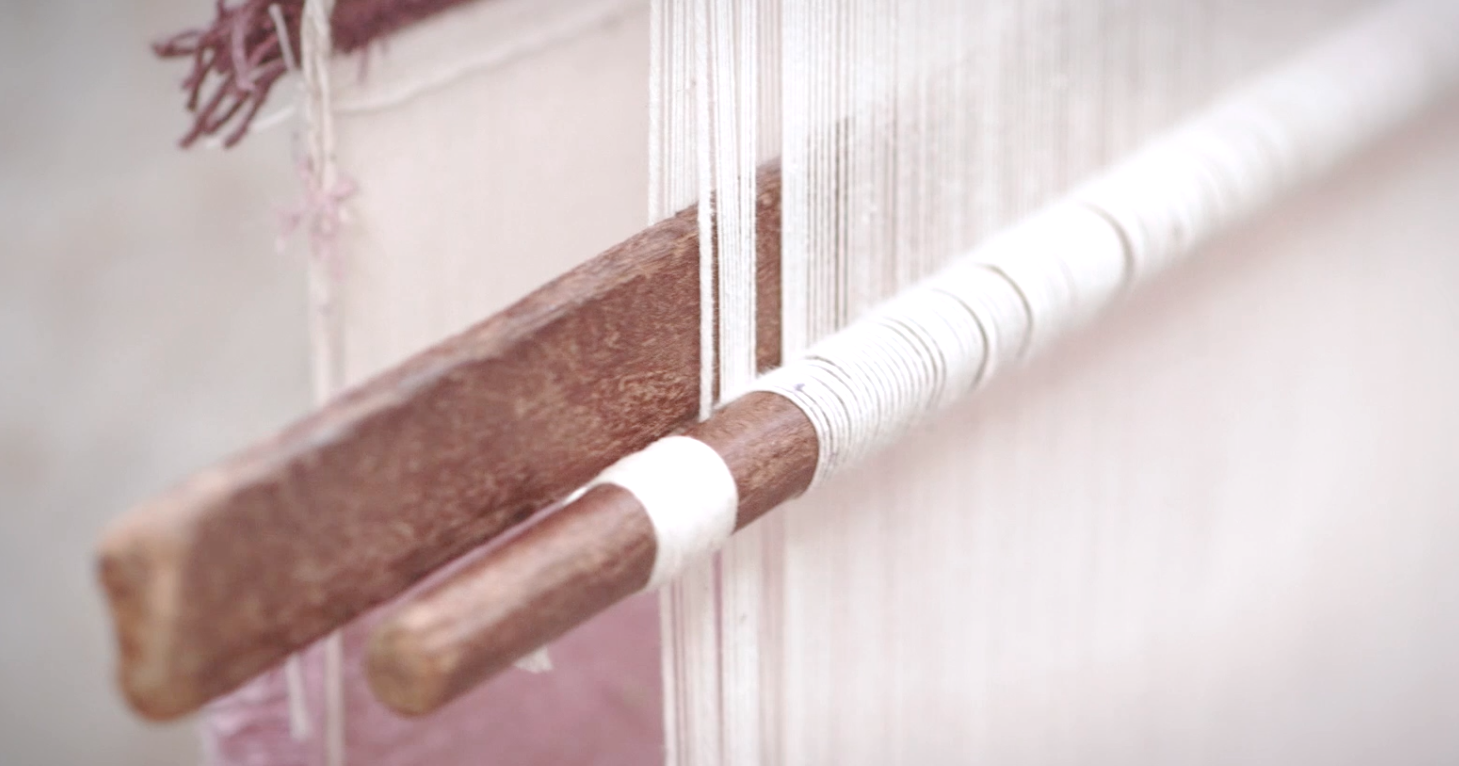
    Loom setup

    Each loom is assembled to the carpet's exact dimensions, with tightly stretched warp threads forming the structural foundation.

    Loom setup
  7. STEP / 07

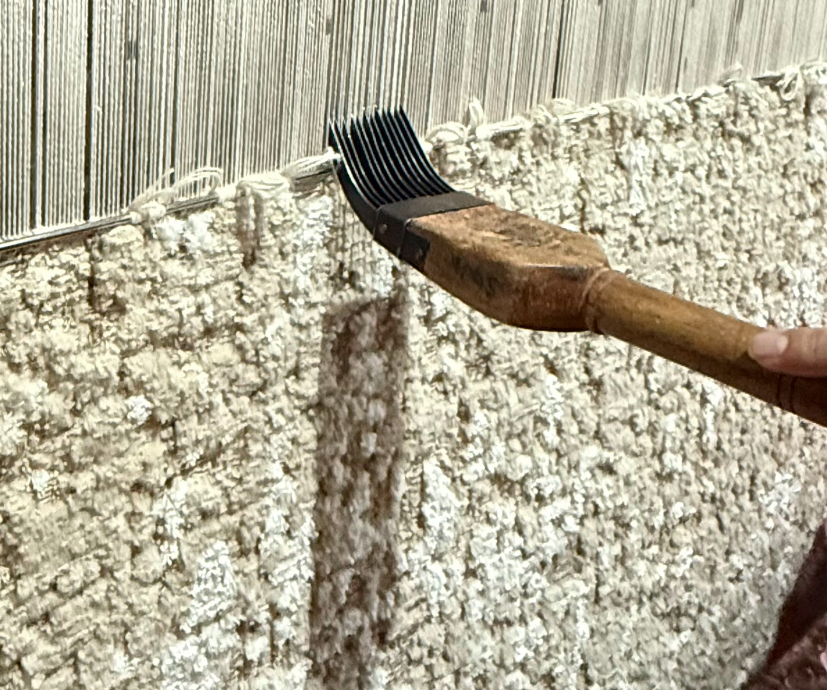
    Hand knotting & weft insertion

    Artisans hand-knot every row using the Tibetan knotting technique, locking each layer into place through careful weft insertion.

    Hand knotting and weft insertion
  8. STEP / 08

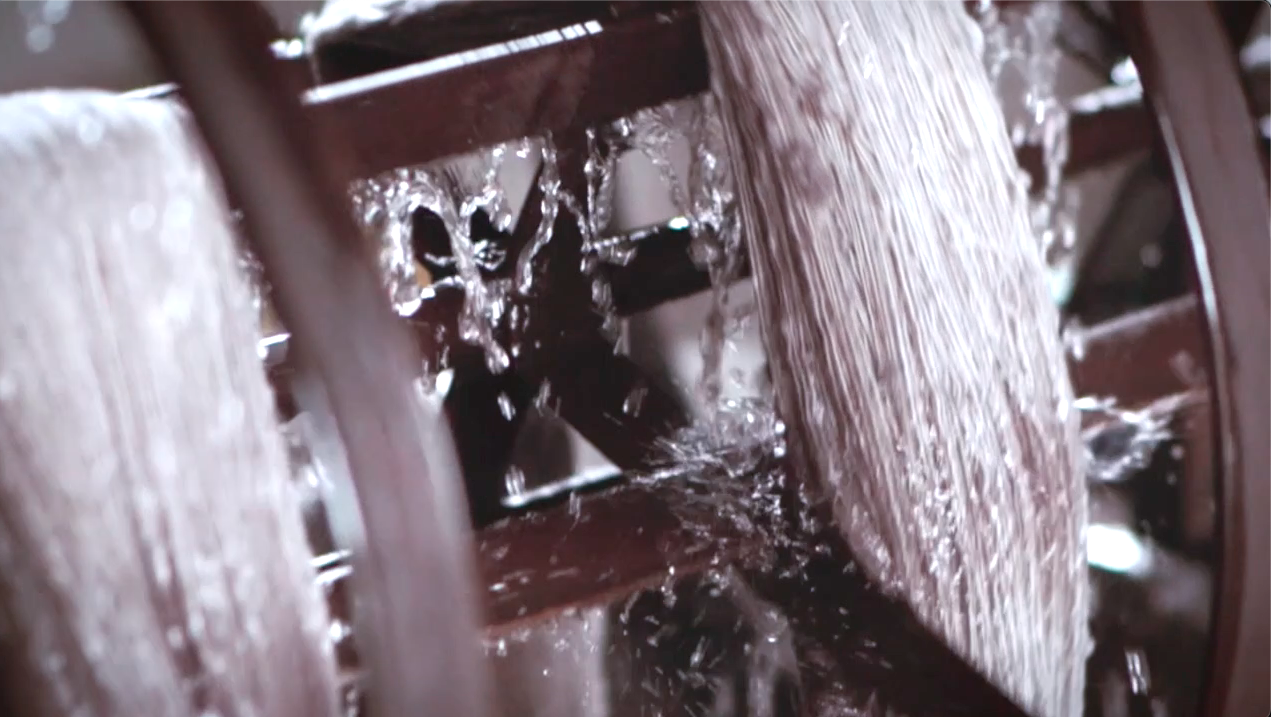
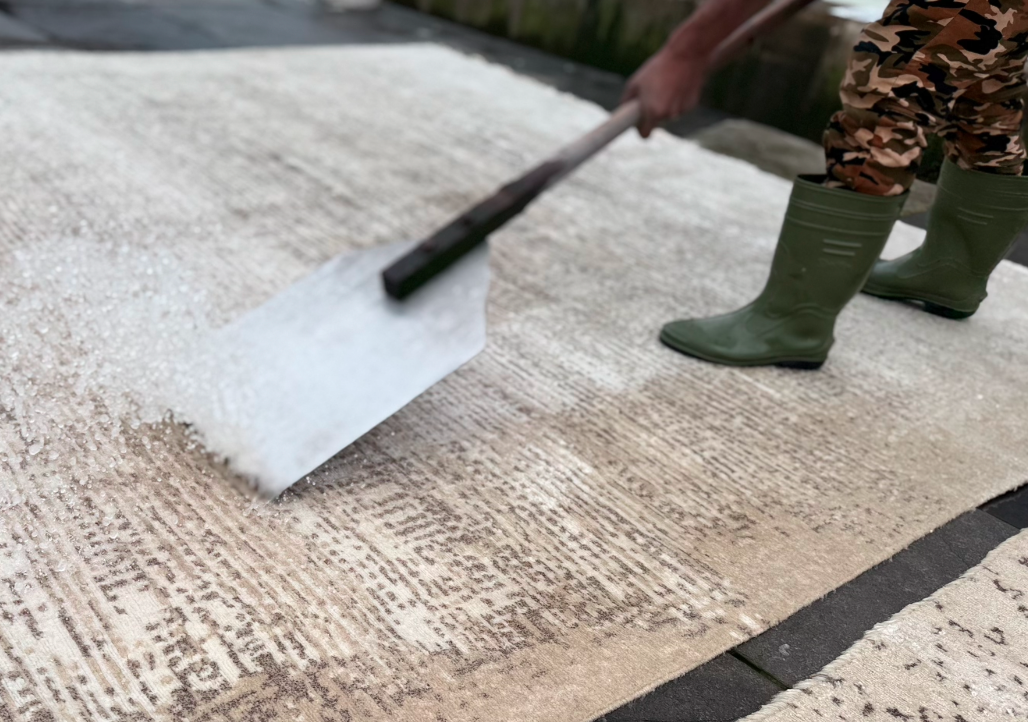
    Washing

    The woven carpet is thoroughly washed to soften the pile, enhance texture, and bring out the richness and depth of the colors.

    Washing
  9. STEP / 09

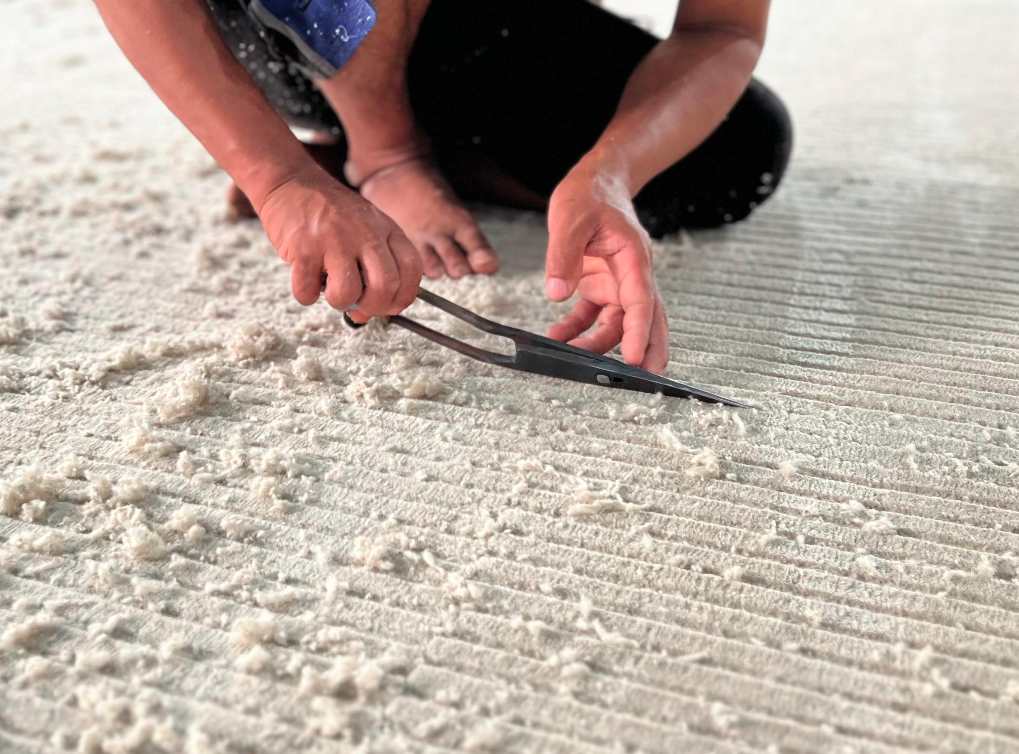
    Finishing & inspection

    Each carpet is sheared, carved, stretched, and hand-finished before undergoing a detailed quality inspection for consistency and durability.

    Finishing and inspection
05 · Sustainability

Rooted in Responsible Craftsmanship

We believe true sustainability lies in creating pieces that endure. Our carpets are made using a production process designed around longevity rather than mass manufacturing. By preserving artisan craftsmanship and creating rugs meant to last generations, we aim to honor both the material and the tradition behind every piece.

100%
Plant-based / Premium Swiss dye
No azo, chrome or aniline dyes. Nine base pigments, hand-mixed.
350
Living-wage artisans
Paid above Kathmandu valley average, with access to healthcare and schooling.
0
Child labour, ever
GoodWeave-certified since 1998. Every loom is independently audited four times a year.
80+
Looms, one campus
Wool, dye, weave and wash are all under one roof. No subcontracting, no greywater.
Certified by
GoodWeave Label STEP Care & Fair Nepal Carpet Assoc.
06 · Contact

Come to the atelier.

Tell us about your project - a single commission, a trade enquiry, or a visit to the workshop. We answer every message ourselves, usually within two working days.

Atelier
Boudha, Ward 6
Kathmandu 44600, Nepal
Hours
Sunday – Friday · 09:00 – 17:30 NPT
Direct
info@palbu.com
+977 1 4914 945
Please tell us your name.
Please use a valid email.
A short note would help us reply well.

We reply ourselves, usually within two working days.

Thank you — your note is with us.

Pema or one of the studio team will write back within two working days, from info@palbu.com.